
Firefighters Need to Get the Paperwork Done, Too
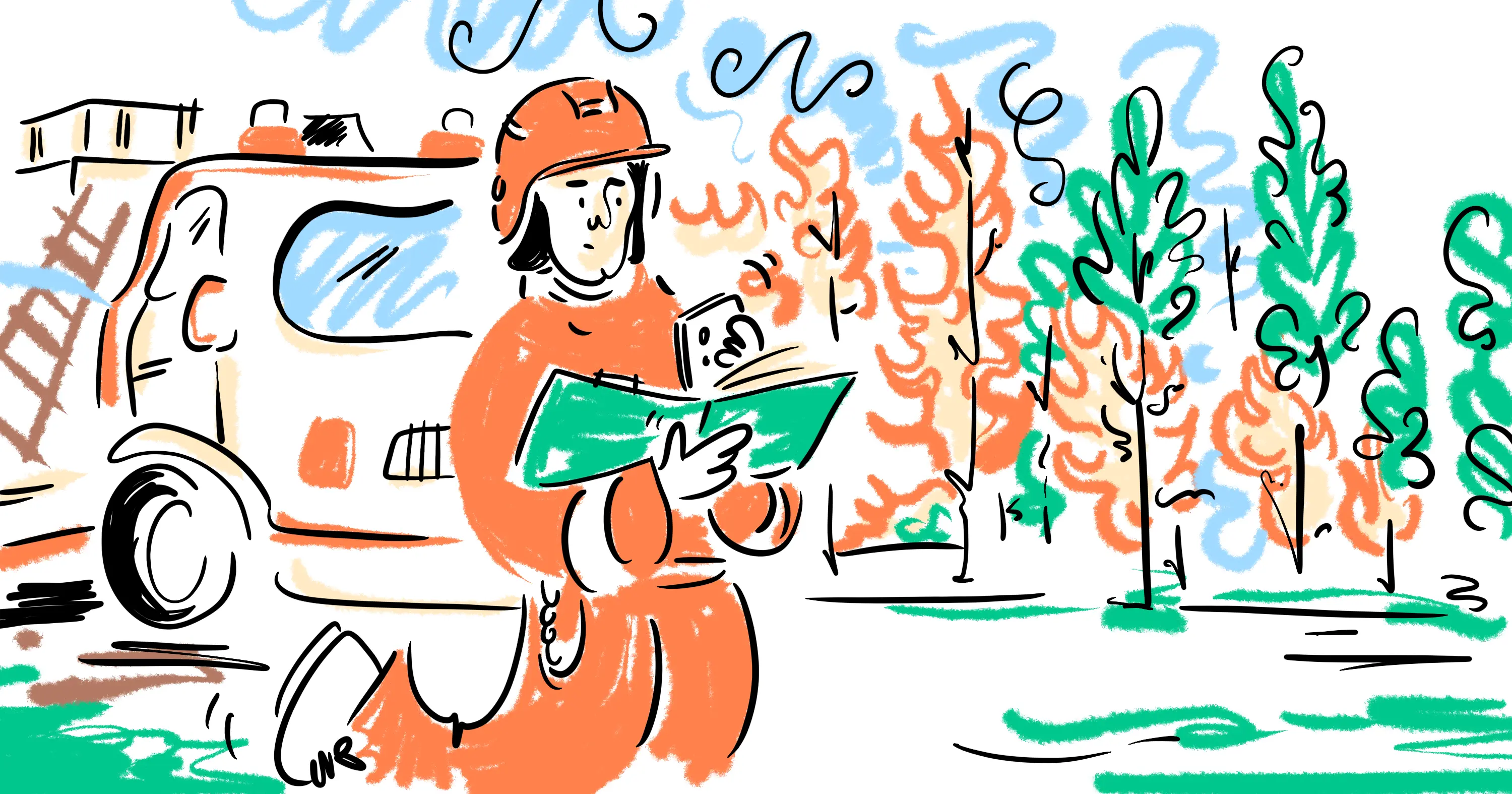
Wildfires were a major concern this summer, not just in the United States, but also here in France and in many other parts of the world. Behind every fire, thousands of people work together to protect communities and manage the enormous effort involved.
When a major wildfire breaks out, firefighters and heavy equipment operators focus on protecting lives, containing the flames, and keeping communities safe. But behind every large emergency response, there’s a tremendous amount of coordination and paperwork.
This summer, we heard from Alyce, a Genius Scan user working in fire operations administration during two of the largest fires in Utah’s history. Her story shows how a simple scanning app can make a real difference in the demanding work of wildfire response.
Keeping paperwork out of the way
Every wildfire brings firefighter contractors, equipment operators, and support personnel who need to check in and submit documents before, during, and after their work.
Contracts, equipment inspections, resource orders, shift tickets, and final invoices are just some of the paperwork required. Traditionally, contractors would bring these documents to the Incident Command Post (ICP), where the admin team would scan them into their database.
“On check-in, contractors must scan in their contracts (generally a shortened finance copy), resource order, and equipment inspection. During the course of the fire, they send in a shift ticket every two days. When they demob, they send in their evaluation, post-inspection evaluation, and eventually their signed final invoice.”
But on fires covering more than 100,000 acres, the ICP can be far from where people are actually working. Some crews operate from remote spike camps, while equipment such as fuel tenders and water tenders needs to remain available on site.
A scanner that saves time and reduces driving
The team tried having firefighters take pictures of their documents and email them, but their database couldn’t accept JPEG files. The scanning tools built into their phones weren’t much better: they were cumbersome, and finding the saved documents could be a challenge.
Genius Scan offered a simpler solution. Contractors could scan their paperwork, create the right digital documents, and attach them directly to an email. The app saved them at least three steps.
But the biggest benefit wasn’t just convenience. Scanning and sending paperwork electronically meant contractors didn’t have to drive back to fire camp or the ICP just to submit documents.
On a wildfire, driving is one of the most dangerous activities. Reducing unnecessary trips means less time on the road and more time focused on the work at hand.
A thousand resources, three days
During the two Utah fires, the fire operations admin team received a record number of documents over just 3 days: “We checked in about 1,000 resources over a three-day span, an almost impossible feat. We got about 80% of them to download and use Genius Scan.”
Firefighters appreciated how easy it was to use, the absence of ads, and the fact that it was free. The admin team saved precious time, too, by letting contractors scan and send their own documents.
For Alyce, the best feedback came after the fire was extinguished: “The vendors don’t often remember our names in finance, but I can’t tell you how many thumbs-ups I got for Genius Scan!”